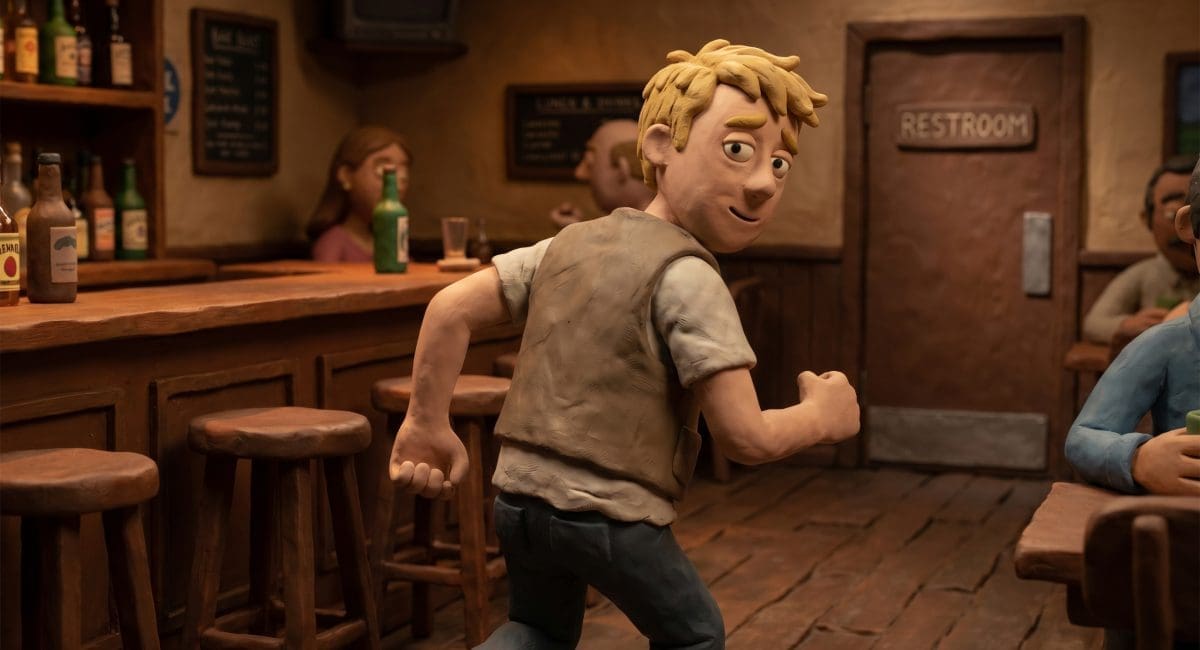
Alcohol makes you pee because it blocks vasopressin, the hormone that tells your kidneys to hold onto water. With that signal switched off, your kidneys dump more fluid and you run to the bathroom. And no — “breaking the seal” isn’t real. It just feels that way once the diuretic effect kicks in.
This article includes an affiliate link or two. If you buy through them, we may earn a small commission at no extra cost to you. We only point to stuff we’d actually use. See our full affiliate disclosure.
If alcohol makes you pee like a racehorse, you’re not imagining it. Three beers in, and you’re wearing a path to the bathroom. So what’s going on?
It comes down to one hormone: vasopressin. Alcohol switches it off, and your kidneys stop holding water like they normally would.
The result is a lot more trips to the toilet, plus the dehydration that fuels your hangover. And that famous “breaking the seal”? Total myth.
Let’s break down exactly why this happens, why the first drink hits fastest, and how to stay ahead of it. Your bladder will thank you.
The short version: why alcohol makes you pee
Let’s start simple. Alcohol makes you pee because it’s a diuretic, which means it pushes your body to make more urine.
It pulls off this trick by blocking a hormone called vasopressin. That hormone normally tells your kidneys to keep water in.
Switch it off, and your kidneys let water flow straight through. More water out means more bathroom trips.
That’s the whole engine behind it. The rest is just the interesting details.
Meet vasopressin, your “hold the water” hormone
So who is this vasopressin? It’s also called antidiuretic hormone, or ADH for short.
Your brain makes it in a region called the hypothalamus. From there, your pituitary gland releases it into your blood.
Its job is simple but vital. It tells your kidneys to reabsorb water instead of flushing it away.
When you’re low on fluids, vasopressin spikes and your body holds water. That’s how you stay balanced on a normal day.
How alcohol flips the switch
Now add alcohol to the mix. It tells your brain to release less vasopressin, even when your body needs to hold water.
With the hormone suppressed, your kidneys lose their “keep the water” order. So they let it pour out as dilute urine.
A tiny, temporary plumbing glitch
Doctors sometimes compare alcohol’s effect to a brief, mild version of diabetes insipidus. That’s a condition where the body can’t hold onto water. Yours resets once the alcohol clears.
This effect is fast and strong. Within an hour of drinking, your urine output can climb sharply.
The science here is solid. Researchers have measured this drop in vasopressin many times after people drink.
Why the first drink hits your bladder fastest
Ever notice the first drink sends you to the bathroom quickest? There’s a reason for that.
The diuretic effect is strongest while your blood alcohol is still rising. As you start drinking, vasopressin drops fast and the floodgates open.
Once your blood alcohol levels off, your kidneys partly recover. The urge calms down, even though you’ve had more to drink.
In studies, the urine surge peaks about one to two hours in. After that, output drifts back toward normal.
“Breaking the seal” — myth, busted
Now for the big bar myth. “Breaking the seal” says once you pee, you’re doomed to go nonstop.
Sorry, but there’s no seal. Your bladder doesn’t have a valve that pops open after the first trip.
What’s really happening is simpler. The alcohol is already making you produce urine fast, so your bladder keeps refilling.
There’s a mental piece too. Once you start thinking about it, you notice every urge a little more.
So the timing of your first trip changes nothing. You’d pee just as much either way. If you enjoy watching bar wisdom collapse under scrutiny, our hangover myths roundup takes down a dozen more.
The dehydration connection
Here’s where your hangover comes in. All that lost fluid leaves you dehydrated, which brings thirst, headaches, and fatigue.
You also lose electrolytes like sodium and potassium in your urine. That loss adds to the rough, drained feeling.
Then comes the rebound. Once you stop drinking, vasopressin can swing back up and your body holds water again.
That rebound may explain the morning thirst and puffy feeling. Your body is basically overcorrecting after the flood.
One honest note, though. Dehydration is only part of the hangover story, not the whole thing.
Inflammation, poor sleep, and the byproducts in different types of alcohol all pile on too. So water helps, but it won’t erase a hangover by itself.
How to stay ahead of it
You can’t stop the science, but you can soften it. A few habits keep you out of the dehydration hole.
- Pace yourself. Slower drinking means a gentler diuretic hit and fewer bathroom sprints.
- Alternate with water. A glass of water between drinks offsets some of the fluid you lose.
- Add electrolytes. A good electrolyte powder with sodium and potassium replaces what your urine carried off.
- Go easy on caffeine. Coffee and energy drinks are diuretics too, so they pile on.
- Pee before bed. Empty your bladder before sleep to lower the odds of a 3 a.m. wake-up.
None of this stops vasopressin from dropping, but it limits the damage. For the full routine, see our hangover prevention guide and our how to cure a hangover tips. A DHM supplement may help too, though the science is still promising, not proven.
Quick reality check: water and time do most of the work. Electrolytes and supplements are helpers, not magic.
Worth keeping on hand:
| Product | What it does | Network / Link |
|---|---|---|
| Electrolyte mix (e.g., Liquid I.V.) | Replaces the sodium and potassium your urine flushes out. | View on Amazon |
| DHM supplement (e.g., Cheers Restore) | A recovery aid that’s promising but not proven — see our DHM guide. | View on Amazon |
Why alcohol makes you pee: FAQ
Why does alcohol make you pee so much?
Alcohol blocks vasopressin, the hormone that tells your kidneys to hold water. Without it, your kidneys release more urine.
Is “breaking the seal” real?
No. There’s no physical seal. You pee more because alcohol is a diuretic, not because of when you first go.
How long does alcohol’s diuretic effect last?
It’s strongest while your blood alcohol rises, usually peaking one to two hours in. It eases as levels off.
Does drinking water stop you from peeing so much?
Not really. Water won’t restore vasopressin, but it replaces lost fluid and helps you avoid dehydration.
Does peeing a lot cause my hangover?
It contributes. Fluid and electrolyte loss add to hangover symptoms, but inflammation and poor sleep matter too.
Sources
- Vasopressin and alcohol: A multifaceted relationship (PMC / NIH)
- Excretion of alcohol in urine and diuresis in healthy men (PubMed)
- Hydration status and the diuretic action of a small dose of alcohol (Alcohol & Alcoholism)
- Cleveland Clinic — Is “Breaking the Seal” a Real Thing?
- Alcohol hangover versus dehydration revisited (Northumbria University)
- Drinkaware — Why does alcohol make you pee more?
We take this seriously. Every health claim here is backed by studies and credible sources, and we cite them so you can check our work. But we’re researchers and writers, not doctors, and this article isn’t medical advice. You know your own body, history, and medications better than any website can. So if anything here raises a question or concern, talk to a qualified healthcare provider — we genuinely encourage it. For more, see our full disclaimer.
Frequent bathroom trips are minor, but alcohol’s bigger effects aren’t. If drinking is affecting your life or someone you care about, free and confidential help is available. The SAMHSA National Helpline offers support 24/7 at 1-800-662-4357.