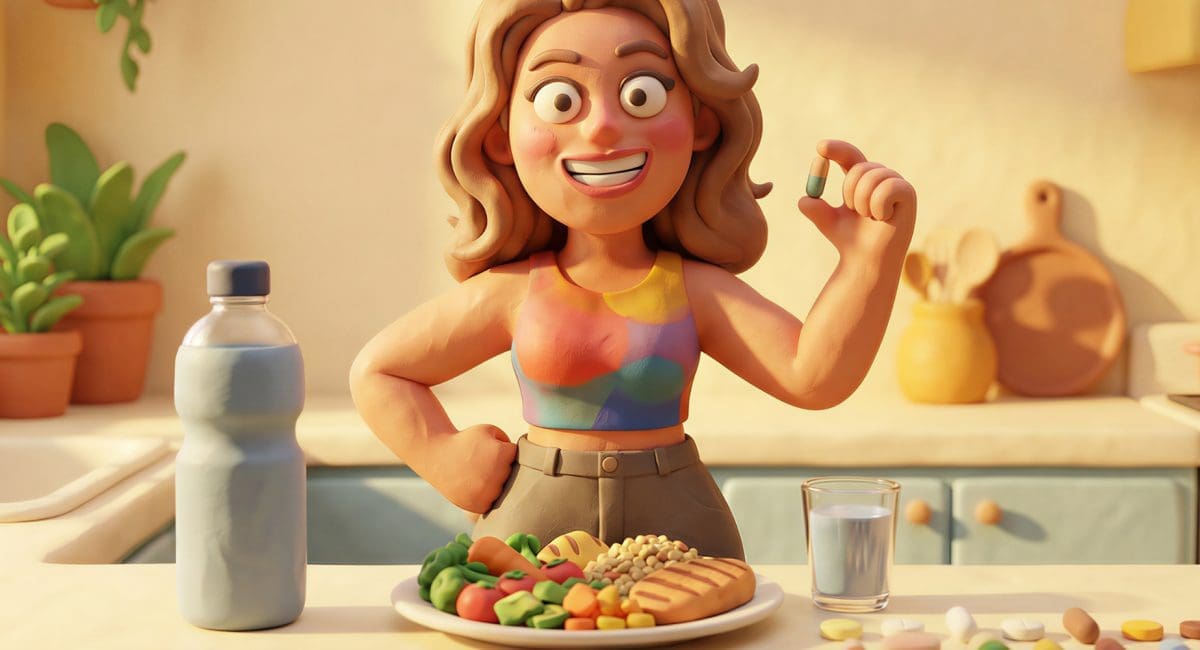
Hangover prevention isn’t as simple as chugging water before bed and hoping for the best. If that worked, you wouldn’t be here right now. You’d be out crushing your Sunday morning instead of wondering why your skull feels two sizes too small.
Here’s what most hangover prevention advice gets wrong — it treats hangovers like a hydration problem. That’s only part of the story. Science shows that inflammation and toxic byproducts from alcohol metabolism do most of the real damage. The headache, the nausea, the full-body regret? That’s your immune system throwing a full-blown tantrum.
You can absolutely prevent a hangover — or at least take a serious bite out of one — with the right game plan. Not random tips. Not old wives’ tales. A complete hangover prevention protocol that covers you from dinner through bedtime and beyond.
Why Most Hangover Prevention Advice Misses the Mark
Drink water. Eat bread. Pop an aspirin. You’ve heard it all a hundred times. And yet here you are, still getting demolished by a few margaritas on a Saturday night. So what gives?
Most hangover prevention tips fail because they target the wrong villain. Everyone blames dehydration. It’s a factor — sure. But research points to acetaldehyde buildup and low-grade inflammation as the real heavyweights behind your misery.
When your liver breaks down alcohol, it creates acetaldehyde — a toxic compound roughly 10 to 30 times more poisonous than the alcohol itself. Your liver then converts that into harmless acetic acid. Drink faster than your liver can process, and that toxic middle step hangs around. That’s when things go sideways.
Alcohol also triggers your immune system to crank out cytokines — the same inflammatory markers your body releases when you’re fighting an infection. Higher cytokine levels correlate directly with worse hangover symptoms. Your hangover is literally an inflammatory response to a toxin.
This means real hangover prevention has to work on multiple fronts: slow absorption, support your liver, tamp down inflammation, and stay hydrated. A real protocol beats a random tip list every time.
Hours Before Drinking: Lay the Groundwork
Effective hangover prevention starts well before your first sip. What you do in the two to three hours before drinking sets the stage for your entire evening.
Eat a Real Meal (Not Just Bar Snacks)
Eating before drinking is the single most effective step to prevent a hangover. But not for the reason most people think. Food doesn’t “soak up” alcohol like a sponge — that’s a myth. A solid meal slows the rate alcohol passes from your stomach to your small intestine, where about 80% of absorption happens.
Protein and healthy fats do the heavy lifting. Think grilled chicken, salmon, eggs, or avocado. A 2019 study in the Journal of Clinical Medicine found that people who consumed more zinc and B vitamins experienced significantly milder hangovers. Shellfish, whole grains, and mushrooms deliver both nutrients.
Skip the chips and pretzels. Salty snacks drive thirst and faster drinking — exactly what your hangover prevention game plan doesn’t need.
Pre-Hydrate Strategically
Start drinking water hours before you plan to drink alcohol. This isn’t about “banking” water. It’s about not starting in a deficit when alcohol’s diuretic effects hit.
Alcohol suppresses vasopressin — the hormone that tells your kidneys to hold onto fluid. Once that switch flips, your body starts flushing water fast. Starting well-hydrated gives you a bigger buffer before dehydration symptoms set in. Steady water intake through the afternoon does the job.
Consider a Pre-Drinking Supplement
The hangover prevention supplement market is booming, but only a handful of ingredients survive scientific scrutiny. Dihydromyricetin (DHM), found in products like Cheers Restore and AfterDrink, showed significant hangover reduction in a 2024 randomized controlled trial. Prickly pear extract reduced severe hangover risk by 62% in one study of 55 participants.
Neither one is a force field. But combined with food and hydration, they give your body extra ammunition to prevent a hangover before it even starts.
While You’re Drinking: The Moves That Actually Matter
This is where most people blow their hangover prevention strategy wide open. You ate the perfect dinner, pre-hydrated like a champ, then ordered four shots in the first hour. Everything after that is damage control.
The One-Drink-Per-Hour Rule
Your liver processes roughly one standard drink per hour. That’s 12 ounces of beer, 5 ounces of wine, or 1.5 ounces of liquor. Exceed that pace and you’re stacking acetaldehyde faster than your body can clear it.
Pacing is the single most controllable factor in hangover prevention. Slow down and your liver can nearly keep up. Rush it and you’re booking a date with tomorrow’s misery.
Alternate With Water or Electrolytes
The classic “one water for every drink” rule works. It forces you to slow your pace, helps maintain hydration, and gives your liver more processing time.
💡 Electrolyte Products Compared:
Liquid I.V. — balanced sodium-to-potassium ratio with added vitamins. Great all-around choice.
Pedialyte — formulated for medical rehydration with a complete electrolyte profile.
Important reality check: electrolyte supplementation reduced hangover severity by only 8-12% in a 2023 study. Helpful, but not a standalone hangover prevention strategy.
Your Congener Cheat Sheet
Not all drinks punish you equally. Congeners are toxic byproducts of fermentation that your body has to process alongside the alcohol itself. Darker drinks carry significantly more congeners than clear ones.
Research from Brown University found bourbon contains roughly 37 times more congeners than vodka. The hangover prevention ranking from best to worst: vodka and gin (lowest congeners), white rum, tequila blanco, then red wine, whiskey, bourbon, and brandy at the top of the misery scale.
This doesn’t mean you have to give up bourbon forever. Just factor congeners into your overall hangover prevention strategy on nights when you want to minimize consequences.
Eat While You Drink
Continue eating throughout the night if possible. Bar snacks, appetizers, or a late meal all help slow alcohol absorption. Protein and fat remain your friends here. Don’t stop your hangover prevention effort just because the evening is underway.
Before Bed: The Critical 30-Minute Window
What you do in the half-hour before sleep can make or break tomorrow. This window is the most neglected piece of hangover prevention — and one of the most powerful.
Stop Drinking at Least Two Hours Before Bed
Alcohol disrupts sleep architecture even when you pass out easily. Your body needs time to start processing alcohol before you sleep, or you’ll experience fragmented, poor-quality rest that compounds hangover symptoms.
A useful formula: the number of hours between your first drink and bedtime should be at least 1.5 times the number of drinks consumed. Four drinks with a midnight bedtime means starting no later than 6 PM.
Rehydrate Aggressively
Drink 16 to 20 ounces of water or electrolyte solution before bed. Yes, you’ll probably wake up to use the bathroom. That’s better than a severe dehydration headache at dawn.
This is when products like Liquid I.V. or Pedialyte add the most value for hangover prevention — your body is actively depleted and needs rapid rehydration.
Take Your Recovery Supplements
Most DHM-based supplements like Cheers Restore, Flyby Recovery, or DHM Detox are designed to be taken after your last drink or before bed. This timing aligns with your liver’s ongoing work processing acetaldehyde overnight.
Follow product-specific dosing instructions. Typical DHM dosing ranges from 300 to 600 mg depending on body weight and how much you consumed.
⚠️ CRITICAL: Never Take Acetaminophen After Drinking
Do not take Tylenol or any acetaminophen-containing product when drinking. Alcohol depletes glutathione — the same antioxidant your liver needs to safely process acetaminophen. The combination can cause serious liver damage.
Acetaminophen hides in over 600 medications including Nyquil, Excedrin, and many cold remedies. Check labels carefully. If you need pain relief, ibuprofen or naproxen are safer for your liver (though they can irritate an alcohol-affected stomach).
The Age Factor Nobody Talks About
If hangovers hit harder now than they did at 22, you’re not imagining it. Enzyme production slows with age. Your liver processes alcohol less efficiently. Body composition changes mean alcohol distributes differently through your system.
This is exactly why hangover prevention becomes more important as you get older — not less. The strategies that were optional in your twenties are essential in your thirties and beyond. And high tolerance doesn’t help — as we explain in our guide to why high tolerance doesn’t protect you from hangovers.
Supplements and Products: What the Science Actually Says
The honest truth about hangover prevention supplements: most don’t have strong evidence. But a few stand out.
What Has Evidence
DHM (dihydromyricetin): The strongest contender. A 2024 randomized controlled trial showed significant hangover reduction. Products like Cheers Restore and AfterDrink use DHM as their primary ingredient. Best taken before bed after your last drink.
Prickly pear extract: Reduced severe hangover risk by 62% in one study — but the study was small (55 participants). Promising but needs more research.
B vitamins and zinc: Supported by a 2019 study showing people with higher B vitamin and zinc intake had milder hangovers. These are depleted by alcohol, so replenishing them makes biological sense.
What’s Mixed or Unproven
NAC (N-acetylcysteine): A 2021 study showed gender-specific benefit (women only). A 2024 study found it completely ineffective for binge-drinking hangovers. The evidence conflicts — don’t count on it for hangover prevention.
ZBiotics: An engineered probiotic that targets acetaldehyde in the gut. Interesting mechanism and early research, but limited independent clinical data so far.
Glutathione: Emerging evidence but not convincing yet. Your body naturally produces it, and alcohol depletes it. Supplementing makes theoretical sense but clinical proof is thin.
None of these are magic bullets. The best hangover prevention supplement is the one you combine with food, hydration, pacing, and smart drink choices — not the one you take instead of those things.
Quick-Reference Hangover Prevention Protocol
Save this. Screenshot it. Share it with your group chat before the next big night out.
🕐 2-3 Hours Before Drinking
- Eat a real meal with protein and healthy fats
- Drink 16-20 oz of water
- Optional: take a DHM or prickly pear supplement
🕐 While Drinking
- One drink per hour maximum — your liver’s speed limit
- Alternate every drink with water or electrolytes
- Choose clear spirits over dark when possible
- Keep eating throughout the night
🕐 Before Bed (The Critical Window)
- Stop drinking at least 2 hours before sleep
- 16-20 oz water or electrolyte drink
- Take DHM supplement if using one
- NEVER take acetaminophen (Tylenol)
🕐 Morning After
- 16-20 oz water or electrolytes immediately
- Bland, easy-to-digest food (toast, eggs, bananas)
- Gentle movement — walk, don’t sprint
- Give your body time to finish the job
The Bottom Line on Hangover Prevention
Eat before drinking. Pace yourself. Choose lower-congener spirits when practical. Hydrate throughout and especially before bed. Skip the acetaminophen. Give your body time to recover.
No hangover prevention method is 100% effective. Anyone promising guaranteed results is selling something. But this protocol — consistently applied — genuinely reduces severity for most people.
The most effective hangover prevention strategy will always be drinking less. Everything else is harm reduction. Use these tools wisely, listen to your body, and remember that the best nights don’t require the worst mornings.
Already too late for prevention? Check out our guide on how to cure a hangover for the science-backed recovery protocol.
Frequently Asked Questions
What is the best way to prevent a hangover?
The most effective hangover prevention strategy combines eating a protein-rich meal before drinking, pacing yourself to one drink per hour, alternating with water or electrolytes, choosing clear spirits over dark, and hydrating aggressively before bed. No single trick works alone — it takes a multi-step protocol.
Do hangover prevention pills actually work?
DHM (dihydromyricetin) supplements like Cheers Restore have the strongest clinical evidence, showing meaningful hangover reduction in a 2024 randomized controlled trial. Prickly pear extract also shows promise. Most other hangover prevention pills lack rigorous evidence. No supplement replaces food, hydration, and pacing.
Does eating before drinking prevent a hangover?
Yes — eating before drinking is the single most effective hangover prevention step. A meal with protein and healthy fats slows alcohol absorption from your small intestine, giving your liver more time to process it. Foods rich in zinc and B vitamins offer additional protection.
Does drinking water prevent a hangover?
Water helps but isn’t enough alone for hangover prevention. Alcohol depletes electrolytes along with fluids. Alternating alcoholic drinks with water slows your pace and reduces dehydration, but adding electrolytes (via products like Liquid I.V. or Pedialyte) provides more complete protection.
Why do darker drinks cause worse hangovers?
Dark spirits like bourbon, whiskey, and brandy contain more congeners — toxic fermentation byproducts your body must process alongside alcohol. Research shows bourbon contains about 37 times more congeners than vodka. Choosing clear spirits is a simple hangover prevention strategy that genuinely makes a difference.
Why do hangovers get worse with age?
Enzyme production slows as you age, meaning your liver processes alcohol less efficiently. Body composition changes affect how alcohol distributes through your system. Sleep quality naturally declines, and alcohol disrupts it further. This makes hangover prevention increasingly important in your thirties and beyond.
Is it safe to take Tylenol before bed after drinking?
No — never take acetaminophen (Tylenol) after drinking. Alcohol depletes glutathione, which your liver needs to safely process acetaminophen. The combination can cause serious liver damage. Ibuprofen or naproxen are safer alternatives, though they can irritate an alcohol-affected stomach.
How many drinks cause a hangover?
It varies by person, but exceeding your liver’s processing rate of roughly one standard drink per hour is the primary trigger. Factors like body weight, genetics, food intake, hydration, sleep, and drink type all affect the threshold. Consistent hangover prevention habits raise that threshold for most people.