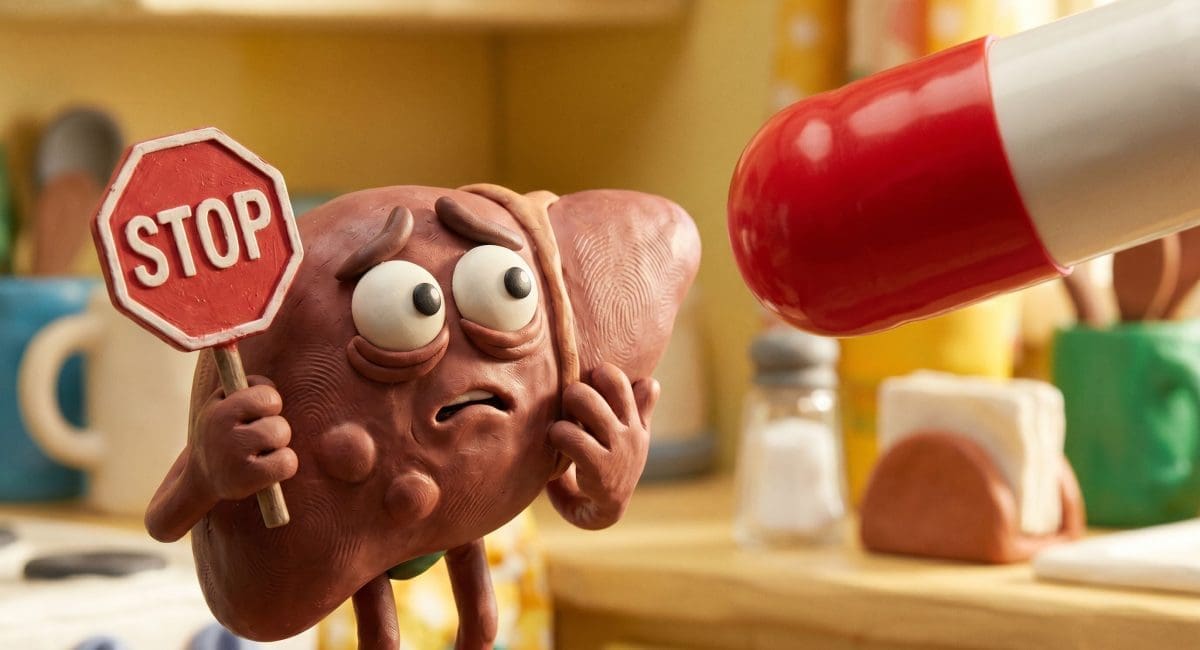
- Don’t take Tylenol (acetaminophen) for a hangover. Your liver is already working overtime after drinking — acetaminophen adds more stress to the system.
- Alcohol boosts production of a toxic byproduct called NAPQI while draining your body’s defense against it (glutathione).
- Tylenol barely beats a placebo for headaches anyway — research shows only a ~5% benefit over a sugar pill.
- Take ibuprofen (Advil) instead — it targets inflammation, which is the actual cause of your hangover headache. Wait at least 6 hours after your last drink and take it with food.
- If you already took Tylenol after drinking, don’t panic. A single normal dose is unlikely to cause damage in occasional drinkers.
Why Tylenol for a hangover feels like the obvious move
Taking Tylenol for a hangover headache seems like a no-brainer. You wake up feeling like your skull shrunk two sizes overnight. And there it is — sitting in your medicine cabinet like it has been waiting for this exact moment.
Acetaminophen is the most common drug ingredient in the United States. It shows up in more than 600 prescription and over-the-counter medications, from Tylenol to NyQuil to Excedrin. It’s the painkiller we all grew up with. Of course you reach for it.
But here’s the thing: Tylenol for a hangover is one of the worst choices in your medicine cabinet. Not because it’ll kill you on the spot (calm down). It stresses your liver at the exact moment your liver is begging for a break.
How acetaminophen and alcohol double-team your liver
To understand why Tylenol for a hangover is risky, you need a quick look at liver chemistry. Don’t worry — I’ll keep it short.
Under normal conditions, your liver handles acetaminophen through a process called glucuronidation. This pathway manages roughly 90% of the drug and produces nothing harmful. Your body converts the leftover portion — about 5% to 10% — through a different enzyme system called CYP2E1. This second pathway creates a toxic byproduct called NAPQI.
At normal doses, NAPQI isn’t a problem. Your body produces an antioxidant called glutathione that neutralizes NAPQI before it can do damage. Think of glutathione as your liver’s bodyguard — it intercepts the troublemaker and escorts it out.
What changes when alcohol is in the picture
Here’s where things get ugly. Alcohol does two terrible things at once. First, drinking ramps up CYP2E1 activity, which means your liver converts more acetaminophen into the toxic NAPQI. More of the bad stuff gets made.
Second, alcohol depletes your glutathione supply — the very thing your liver needs to neutralize NAPQI. So you’ve got more toxin being produced and less defense to handle it. It’s like your liver’s bodyguard called in sick on the day a biker gang shows up.
⚠️ Safety note: Acetaminophen toxicity is the leading cause of acute liver failure in the United States, responsible for roughly 50% of all cases. About 500 people die from acetaminophen overdose annually, and many of those cases involve alcohol. This combination deserves your respect.
Tylenol barely works for headaches anyway
Even if the liver risk didn’t exist, Tylenol for a hangover headache would still be a questionable call. Why? Because acetaminophen is surprisingly weak against headaches.
A Cochrane systematic review — the gold standard in medical evidence — looked at acetaminophen’s performance against tension-type headaches. The results aren’t pretty. About 24% of people who took 1,000mg of acetaminophen were pain-free at two hours. Sounds decent, right? Except 19% of people who took a placebo were also pain-free. That’s an absolute benefit of roughly 5%.
Put it another way: 22 people need to take Tylenol for just one of them to get relief beyond what a sugar pill provides. That’s a terrible batting average.
Hangover headaches make the picture even worse. Your post-drinking headache involves inflammation — from acetaldehyde buildup, dehydration, and your immune system’s response to a rough night. Acetaminophen doesn’t address inflammation. It blocks pain signals in the brain, but it does nothing about the swelling and chemical chaos causing that pain in the first place.
So you’re taking a drug that barely works for normal headaches, doesn’t target the mechanism behind your headache, and threatens your already-stressed liver. That’s three strikes.
Who faces the highest risk from Tylenol for a hangover
The acetaminophen and alcohol combo isn’t equally dangerous for everyone. Some people face a much higher risk than others. Here’s who needs to be especially careful.
Regular or heavy drinkers sit at the top of the risk list. If you drink frequently, your CYP2E1 levels stay chronically increased. That means your liver routes more acetaminophen through the toxic pathway — even on days you don’t drink. Occasional social drinkers face much lower risk.
People already taking medications that contain acetaminophen often don’t realize they’re doubling up. NyQuil, Excedrin, DayQuil, Percocet, and Vicodin all contain acetaminophen. Pop a Tylenol on top of your cold medicine, and you may be well past the safe daily limit without knowing it.
Anyone with existing liver conditions should avoid this combination entirely. That includes fatty liver disease, hepatitis, or any condition that compromises liver function. If you’re not sure about your liver health, a quick conversation with your doctor is worth it.
Women may face greater risk than men. Research from the Acute Liver Failure Study Group found that acetaminophen-induced liver injury and liver failure are more common and more severe in women.
What to take instead for a hangover headache
If Tylenol for a hangover is off the table, what actually works? You’ve got better options — each with its own trade-offs.
Ibuprofen (Advil, Motrin)
Ibuprofen is the top choice for most hangover headaches. It’s a nonsteroidal anti-inflammatory drug (NSAID), which means it targets the inflammation driving your pain. That’s a direct hit on the actual problem, unlike acetaminophen’s roundabout approach.
The catch: ibuprofen can irritate your stomach lining. After a night of drinking, your stomach may already be angry. Take it with food, drink plenty of water, and wait at least 6 hours after your last drink before dosing. Don’t take it on an empty stomach.
Aspirin
Aspirin works through a similar anti-inflammatory mechanism. It’s effective for hangover headaches but carries more gastrointestinal risk than ibuprofen. If your stomach feels fine, it’s a reasonable option. If you’re already nauseous, skip it.
Naproxen (Aleve)
Naproxen is a longer-acting NSAID. One dose lasts 8 to 12 hours compared to ibuprofen’s 4 to 6. It’s good if you want fewer pills and longer relief. Same stomach precautions apply.
| Pain Reliever | Hangover Headache | Main Risk After Drinking | Best For |
|---|---|---|---|
| Ibuprofen (Advil) | ✅ Targets inflammation | Stomach irritation | Most hangover headaches |
| Aspirin | ✅ Targets inflammation | Higher GI bleeding risk | When stomach feels OK |
| Naproxen (Aleve) | ✅ Targets inflammation | Stomach irritation | Longer-lasting relief |
| Acetaminophen (Tylenol) | ❌ Doesn’t reduce inflammation | Liver damage | Avoid after drinking |
Non-medication options that actually help
Sometimes the best hangover headache relief doesn’t come from a pill at all. Water is your first priority — dehydration is a major driver of that pounding head. Follow it with an electrolyte drink to replenish what alcohol flushed out.
DHM (dihydromyricetin) supplements support your liver’s alcohol processing and may reduce hangover severity. They work best when taken before or during drinking, but some people report benefit the morning after as well.
And then there’s the oldest remedy of all: time. Your body clears alcohol and its toxic metabolites at a fixed rate. Depending on how much you drank, a hangover can take 12 to 24 hours to fully resolve. No pill speeds up that clock — but the right choices can make the wait less miserable.
💡 Pro tip: Build a smarter prevention strategy before your next night out. Our hangover prevention game plan covers everything from hydration timing to supplement stacking.
The “but I already took it” scenario
If you’re reading this after you already took Tylenol for a hangover, take a breath. You’re probably fine.
A single standard dose of acetaminophen (500mg to 1,000mg) after a night of moderate social drinking is unlikely to cause liver damage in an otherwise healthy person. The real danger comes from repeated high doses, chronic heavy drinking, or combining acetaminophen with other medications that contain it.
Here’s what to do: don’t take any more acetaminophen today. Drink plenty of water. Eat something. If you need additional pain relief, switch to ibuprofen (wait at least 4 hours after your Tylenol dose).
Watch for these warning signs over the next 24 to 72 hours: nausea or vomiting that won’t stop, pain in the upper right side of your abdomen, unusual fatigue, or yellowing of your skin or eyes. These could signal liver distress and warrant a call to your doctor or a trip to urgent care.
⚠️ When to get emergency help: If you took more than 4,000mg of acetaminophen in a 24-hour period — especially combined with heavy drinking — call Poison Control (1-800-222-1222) or go to the emergency room. N-acetylcysteine (NAC) treatment within the first 8 hours after ingestion dramatically improves outcomes.
Frequently asked questions
Can I take Tylenol the morning after drinking if the alcohol is out of my system?
Alcohol can remain in your system for much longer than most people realize — your liver processes roughly one standard drink per hour. Even if you feel sober, residual alcohol and its metabolites may still be present. The bigger concern is that alcohol upregulates the CYP2E1 enzyme that produces the toxic NAPQI byproduct, and this effect can persist for hours after your last drink. Wait as long as possible, and consider ibuprofen instead.
Is Tylenol or ibuprofen better for a hangover headache?
Ibuprofen is the better choice for most hangover headaches. It targets the inflammation that causes post-drinking headache pain, while Tylenol (acetaminophen) does not address inflammation and puts additional stress on your liver. However, ibuprofen can irritate the stomach — take it with food and water, and wait at least 6 hours after your last drink.
How much Tylenol is dangerous after drinking?
The maximum safe daily dose of acetaminophen is 4,000mg for healthy adults, but liver specialists recommend staying under 2,000mg if you’ve been drinking. Even normal doses can be riskier when combined with alcohol because both substances compete for the same liver processing pathways. Chronic heavy drinkers face the highest risk and should avoid acetaminophen entirely.
What about Excedrin for a hangover? It has caffeine.
Excedrin contains acetaminophen, aspirin, and caffeine. While the caffeine and aspirin may help your headache, the acetaminophen component carries the same liver risk discussed above. If you want the caffeine boost, drink coffee or tea separately and take plain ibuprofen for the pain.
Does Tylenol for a hangover cause liver failure every time?
No. A single normal dose of Tylenol for a hangover won’t cause liver failure in most healthy occasional drinkers. The risk increases with higher doses, regular use, heavy drinking, pre-existing liver conditions, and unknowingly taking multiple products that contain acetaminophen. The concern is cumulative stress — your liver handles a lot, and this combination adds unnecessary load.
Sources
- Acetaminophen Toxicity — StatPearls (NIH)
- Mechanisms of Acetaminophen Hepatotoxicity — Journal of Hepatology
- Acetaminophen and Alcohol: Safety and Risks — Medical News Today
- Is Acetaminophen Safe to Take When You’re Drinking? — Cleveland Clinic
- Acetaminophen: Too Much Is Dangerous for Your Liver — UCI Health
- Acetaminophen-induced Acute Liver Failure Is More Common and More Severe in Women — Clinical Gastroenterology and Hepatology
- A Review of Bioinformatics Tools to Understand Acetaminophen-Alcohol Interaction — PMC
- Tylenol for Your New Year’s Hangover? Consider This — American Council on Science and Health
- Hangover Treatment — MedlinePlus (NIH)
- Acetaminophen-induced Liver Injury: Molecular Mechanisms and Treatments — Frontiers in Pharmacology
If you find yourself regularly dealing with hangovers or feeling like you need to drink more than you’d like, you’re not alone — and there’s no judgment here. The SAMHSA National Helpline (1-800-662-4357) is free, confidential, and available 24/7.