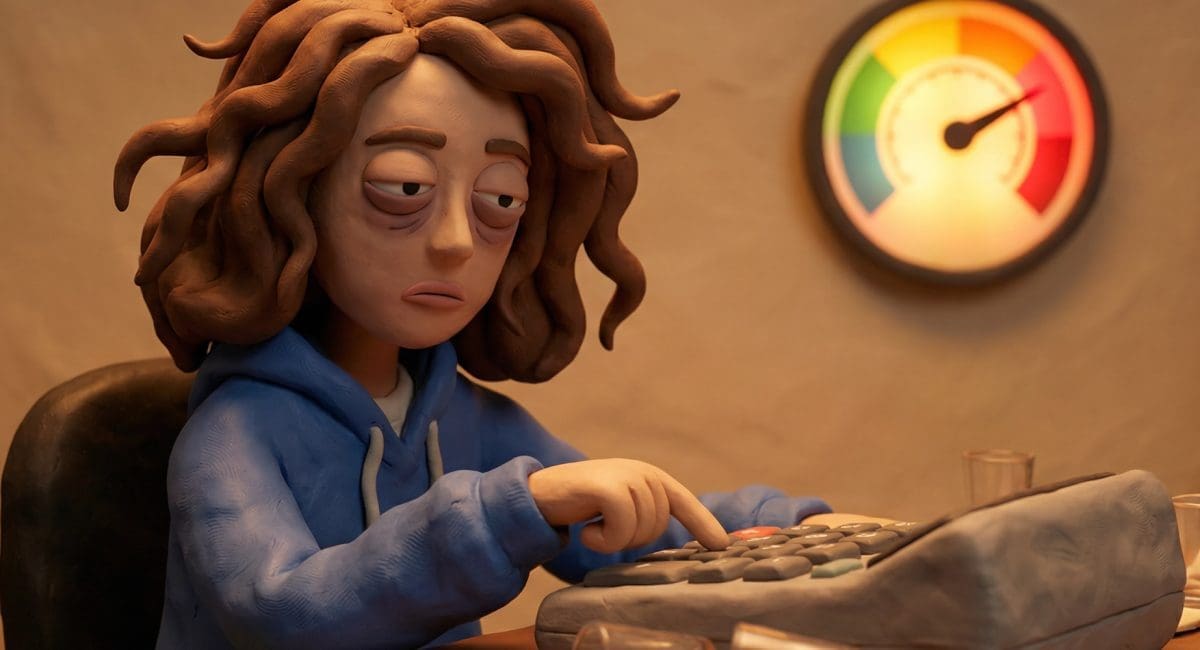
You’ve had a few drinks. You feel fine. Maybe even great. But “feeling fine” and “actually being fine” are two very different things — and your brain is the last organ you should trust to tell the difference.
Blood alcohol content — your BAC — is the only real measure of how alcohol is affecting your body right now. Not how you feel. Not how many drinks you’ve had. Not whether you can walk a straight line on command. The number.
The calculator above gives you an estimate based on the Widmark equation — the same formula used by researchers and law enforcement worldwide. Plug in your weight, what you drank, and how long you’ve been drinking, and it’ll tell you where you stand.
What the calculator can’t tell you is what happens next, or why your 35-year-old self is already dreading tomorrow morning. That’s what the rest of this article is for.
BAC Calculator
Find out where you stand — and how long until you don’t feel like this anymore.
Affects how your body processes alcohol
Your liver clears ~0.015% BAC per hour
This calculator uses the Widmark formula, the same method used by researchers and law enforcement to estimate blood alcohol concentration. The formula is: BAC = (drinks × 14g) ÷ (weight × r × 10) − (0.015 × hours).
Here’s what each piece means. Each standard drink contains 14 grams of pure alcohol — that’s one 12 oz beer at 5%, one 5 oz glass of wine at 12%, or one 1.5 oz shot at 40%. The calculator converts whatever you enter into standard drinks automatically.
The distribution ratio (r) reflects how alcohol spreads through body water. It’s 0.68 for men and 0.55 for women, based on average differences in body water percentage. Women generally have a higher body fat ratio and lower body water ratio, which means alcohol concentrates more in a smaller volume — resulting in a higher BAC at the same dose.
The 0.015 per hour figure is the average rate at which the liver metabolizes alcohol. Most people process roughly one standard drink per hour. This rate is fairly consistent — food, coffee, and water don’t speed it up.
The result is an estimate, not a precise reading. Individual metabolism, food intake, medications, and hydration all affect actual BAC. For the only accurate measurement, use a certified breathalyzer or blood test.
What Is BAC? (Blood Alcohol Content Explained)
BAC — blood alcohol content — is the percentage of alcohol in your bloodstream by volume. A BAC of 0.08% means that 0.08% of your blood is alcohol. That sounds like a tiny number. Your liver disagrees.
The reason BAC matters more than “number of drinks” is simple: drinks aren’t equal. A 12-ounce light beer and a double bourbon are both “one drink” in casual conversation. In your bloodstream, they’re very different stories. BAC cuts through the vagueness and gives you an actual number to work with.
It’s also the universal standard used by medical professionals, researchers, and law enforcement to measure impairment. When a police officer says the legal limit is 0.08%, that’s a BAC measurement. When a study says alcohol impairs reaction time at a BAC of 0.05%, that’s the number they mean. It’s the common language of alcohol science.
How BAC Is Actually Calculated
The Widmark formula is the gold standard for estimating BAC — and it’s how this BAC calculator works. Developed by Swedish scientist Erik Widmark in the 1930s, it’s still the basis for most BAC calculators today — including this one.
The formula works like this: take the alcohol consumed in grams, divide by body weight in grams multiplied by a distribution ratio, then multiply by 100. Then subtract the amount your liver has already metabolized based on time elapsed.
That distribution ratio — called the Widmark r-factor — is where biological sex comes in. The average value is 0.68 for men and 0.55 for women. Women have a lower ratio because they typically carry more body fat and less total body water than men of the same weight. Since alcohol distributes through water rather than fat, a smaller water volume means a higher BAC for the same amount of alcohol.
Body weight matters for the same reason. A heavier person has more body water to dilute the alcohol, which results in a lower BAC than a lighter person drinking the same amount.
Time matters too. Your liver metabolizes alcohol at a fairly consistent rate — roughly 0.015% BAC per hour. That’s about one standard drink per hour for most adults. This rate doesn’t speed up because you want it to, because you had coffee, or because you took a cold shower. It just works at its own pace, hour by hour.
What Each BAC Level Actually Feels Like
This is the section worth bookmarking. Here’s what the science — and honest human experience — says happens at each BAC level.
0.01–0.03%: The Warm-Up
One, maybe two drinks in. You feel slightly relaxed. Your mood lifts a little. Most people don’t notice any impairment at this BAC level, and most tests don’t find any either. You’re fine. Enjoy it while it lasts.
0.04–0.06%: The Sweet Spot (For Some)
This is the zone most social drinkers are aiming for — relaxed, talkative, slightly euphoric. Minor impairment in judgment and attention begins here, even if it’s not obvious. You’re still legal to drive in most jurisdictions, but your reaction time is already slipping.
0.07–0.09%: Crossing the Line
At a BAC of 0.08%, you’re legally impaired in all 50 US states. But the truth is impairment begins well before the legal limit. In this range, balance and coordination are affected, speech may be slightly slurred, and your ability to make good decisions — like whether you’re okay to drive — is compromised. The cruel irony: this is also the range where many people feel the most confident.
0.10–0.14%: Clearly Drunk
This is visibly drunk territory. Reaction time is significantly slowed, coordination is noticeably off, and memory starts to fragment. You will not remember everything that happens in this range. Judgment is gone. This is also the BAC range where tomorrow’s hangover starts getting serious.
0.15–0.19%: Severely Impaired
Nausea, dizziness, and loss of motor control are common here. Blackouts become likely. Your body is now prioritizing damage control over everything else. The hangover waiting on the other side of this night is going to be a long one. This is not a good place to be.
0.20% and Above: Medical Territory
How Long Until You’re Sober?
Here’s the math nobody wants to hear: your liver clears alcohol at roughly 0.015% BAC per hour. That’s it. That’s the rate. There’s no shortcut.
Coffee doesn’t lower your BAC. A cold shower doesn’t either. Food after the fact doesn’t speed it up. These things might make you feel more alert or comfortable, but they don’t change how fast your liver works.
| BAC Level | Approx. Time to Reach Zero | What That Means |
|---|---|---|
| 0.05% | ~3–4 hours | Home by midnight, sober by 4 a.m. |
| 0.08% | ~5–6 hours | Last call at 2 a.m., sober around 8 a.m. |
| 0.10% | ~7 hours | Still legally impaired at breakfast |
| 0.15% | ~10 hours | Don’t even think about driving until afternoon |
| 0.20% | ~13–14 hours | A full workday to clear — and a brutal hangover ahead |
These BAC estimates assume average metabolism. Individual results vary. Food, sleep, hydration, age, and liver health all play a role. But the order of magnitude is reliable — if you’re significantly drunk at midnight, you may still be impaired at breakfast.
This is exactly why hangovers often peak in the morning. By the time you wake up, your BAC has dropped to zero — but your body is now dealing with the full aftermath of everything that happened overnight. For a full breakdown of that timeline, check out our guide on how long a hangover lasts.
BAC and Your Hangover
There’s a direct relationship between your peak BAC and hangover severity. The higher your BAC climbed during the night, the worse tomorrow tends to be.
This makes sense when you understand what’s happening. Higher BAC means more acetaldehyde buildup — the toxic byproduct your liver produces when breaking down alcohol. It means more severe dehydration from alcohol’s diuretic effect. It means deeper disruption to your sleep architecture. All of these things scale with how high your BAC went.
Research published in the Journal of Clinical Medicine found that hangover severity correlates significantly with estimated peak BAC. It’s not just about how many drinks you had — it’s how concentrated the alcohol got in your system at its peak.
The congener factor matters here too. Darker spirits contain far more congeners — fermentation byproducts that worsen hangovers — than clear spirits. Two people can reach the same BAC, one drinking vodka and one drinking bourbon, and wake up feeling very differently. Our hangover prevention guide covers the full strategy for keeping peak BAC in check before the night even starts.
What Affects Your BAC Beyond Drinks
The Widmark formula gives you a solid estimate, but real-world BAC is shaped by more than just drinks, weight, and time.
Food is the biggest variable. Eating before or during drinking slows alcohol absorption significantly. A full meal — especially one high in protein, fat, and complex carbs — can meaningfully reduce peak BAC compared to drinking on an empty stomach. This is why the same number of drinks hits so differently on an empty Friday stomach versus a full Sunday afternoon.
Medications can raise effective BAC and amplify impairment dramatically. Antidepressants, antihistamines, anti-anxiety medications, and some antibiotics all interact with alcohol in ways that make a given BAC feel much worse. If you’re on any regular medication, the calculator’s output is less reliable — and the actual impairment is likely higher.
Fatigue amplifies everything. A tired person at 0.05% BAC can be as impaired as a rested person at 0.08%. Alcohol and sleep deprivation compound each other. If you’re already running on fumes, those drinks are hitting harder than the number suggests.
Carbonation speeds absorption. Champagne, sparkling wine, and mixed drinks with soda all deliver alcohol to the bloodstream faster than still drinks of the same strength. The fizz actively accelerates how quickly BAC rises.
Tolerance affects perception, not reality. Regular drinkers feel less drunk at a given BAC level. But studies consistently show that actual impairment — reaction time, decision-making, motor control — is similar regardless of tolerance. Feeling fine is not the same as being fine.
The Legal Side
The legal limit in the United States is a BAC of 0.08% for drivers over 21. Most other countries sit between 0.05% and 0.08%, with several at 0.05% and a few at zero tolerance. Some US states have stricter limits for commercial drivers and drivers under 21.
But the legal BAC limit is a floor, not a ceiling of safety. Impairment begins at 0.04% or below for most people. The 0.08% threshold exists because it’s the point at which impairment becomes statistically undeniable — not because everything below it is safe.
If your estimated BAC reads anywhere above 0.05%, the safe call is not to drive. Put the keys down, call a ride, and deal with the car in the morning. No destination is worth the alternative.
Frequently Asked Questions
How accurate is a BAC calculator?
BAC calculators using the Widmark formula give a reasonable estimate of your BAC, but they can’t account for every individual variable. Food intake, medications, fatigue, and individual metabolism all affect actual BAC. Use the result as a guideline, not a precise measurement — and always err on the side of caution.
What is a dangerous BAC level?
A BAC of 0.15% or above is considered severely impaired and carries serious health risks. At 0.20% and above, alcohol poisoning becomes a real danger. Loss of consciousness, respiratory depression, and death are possible at very high BAC levels.
Does drinking water lower BAC?
No. Water does not lower BAC or speed up alcohol metabolism. It helps with hydration — which is valuable for hangover prevention — but it doesn’t change how fast your liver processes alcohol.
Can you sober up faster with coffee or food?
No. Coffee makes you feel more alert but doesn’t change your BAC. Food after the fact has minimal effect on BAC once alcohol is already absorbed. The only thing that lowers BAC is time.
What is one standard drink?
In the United States, one standard drink contains 14 grams of pure alcohol. That equals roughly 12 ounces of regular beer (5% ABV), 5 ounces of wine (12% ABV), or 1.5 ounces of distilled spirits (40% ABV).
How long does it take to sober up?
Your liver clears roughly 0.015% BAC per hour — that’s the metabolic rate regardless of how you feel. At a BAC of 0.08%, you’re looking at roughly 5–6 hours to reach zero. At 0.15%, closer to 10 hours. Individual results vary based on food intake, age, medications, and liver health.
Is BAC the same for everyone who drinks the same amount?
No. Your BAC varies based on body weight, biological sex, food intake, drinking pace, medications, and individual metabolism. Two people drinking the same amount can have significantly different BAC levels.
Sources
- National Institute on Alcohol Abuse and Alcoholism (NIAAA) — Alcohol Facts and Statistics
- Mayo Clinic — Hangovers: Symptoms and Causes
- Rohsenow et al. (2009) — Intoxication with Bourbon versus Vodka, Alcoholism: Clinical and Experimental Research
- NIH/PMC — The Impact of Alcohol Hangover Symptoms on Cognitive and Physical Functioning, Journal of Clinical Medicine
- National Highway Traffic Safety Administration (NHTSA) — Drunk Driving
- Centers for Disease Control and Prevention (CDC) — Alcohol Use and Your Health
- MedlinePlus Medical Encyclopedia — Hangover Treatment